Convert a known shoe size or measured foot length into the closest US, UK, EU, and JP / Mondopoint chart match for adults or kids.
Last updated
Chart family
Measuring tip
Measure the longer foot from heel to longest toe while standing, then use centimetres or JP / Mondopoint when a brand chart gives you conflicting size labels.
Kids’ US and UK sizes roll from child to youth. That rollover creates duplicate plain numbers, so this converter keeps the C and Y suffixes visible instead of hiding them.
Enter a shoe size Choose a chart family, then enter a known size or measured foot length to see the closest conversion.
Convert shoe sizes across US, UK, EU, and JP / Mondopoint charts
A shoe size converter helps you turn a measured foot length or familiar size label into the closest US, UK, EU, and JP / Mondopoint chart match before you order shoes online. This guide explains why men’s, women’s, and kids’ charts do not line up perfectly, why centimetres are the safest reference, and where brand-specific fit can still move the final size.
How shoe sizing systems differ
The UK system starts from a child size 0 at roughly 4 inches and increments by one-third of an inch per size. US sizing is offset from UK by roughly one size for men and two sizes for women, though the increments are the same. The EU system uses Paris points, where each size equals two-thirds of a centimetre. Japanese sizing uses centimetres directly, measuring foot length in whole or half centimetre steps.
Half sizes exist in UK, US, and JP systems but not always in EU sizing, where adjacent whole sizes cover a similar range. Width fittings add another dimension that varies by brand and region.
That is why this converter uses foot length as the anchor and then snaps to the closest published chart row for the selected family. Adult men’s and women’s US labels share the same underlying foot-length ladder with an offset between them, while kids’ charts roll from child sizes into youth sizes and can repeat plain numbers if you hide the C and Y suffixes.
1 Paris point = 2/3 cm
European shoe sizes are built on the Paris-point system, so each full EU size step represents about two-thirds of a centimetre.
Foot length (in) = foot length (cm) ÷ 2.54
Centimetres and inches describe the same foot measurement; JP / Mondopoint sizing is typically expressed directly as foot length in centimetres.
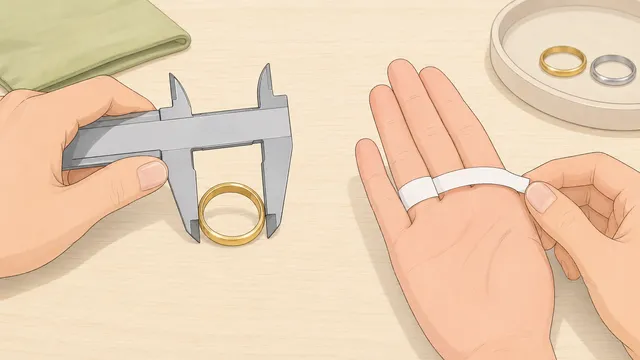
Measure your foot length in centimetres at the end of the day when feet are slightly larger. Use the measurement as the primary reference and convert from there, rather than converting between two lettered or numbered systems where rounding errors can stack.
Stand on a sheet of paper, keep your heel against a wall, and measure from the wall to the tip of the longest toe on each foot. Use the longer measurement, not the shorter one. If a brand publishes both a general size chart and a model-specific fit note, start with the chart and then adjust for the model’s stated fit.
JP / Mondopoint and raw centimetres are especially useful when you are moving between brands, because they keep you anchored to a physical foot measurement instead of a label that may shift by a half size between charts.
Further reading
Nike women’s footwear size chart — Official women’s chart reference showing how the adult women’s ladder maps against measured foot length.
Nike kids’ footwear size chart — Official kids’ chart reference illustrating how youth sizes line up against measured foot length.
Worked examples for adults and kids
Suppose an adult runner measures the longer foot at 27.0 cm. The converter maps that measurement to JP 27.0, about a UK 9, an EU 43, a US men’s 10, and a US women’s 11.5. If the brand says the shoe runs short or narrow, you would still compare that baseline against the brand chart before ordering.
Now consider a child whose measured foot length is 24.0 cm. The kids’ chart lands around US 4Y, UK 3.5Y, and EU 35. Keeping the youth suffix visible matters here, because a plain “4” without the Y could be mistaken for a completely different adult or early-childhood label.
These examples show why measured length is more reliable than jumping directly from one regional label to another. If you only know an EU size today, the converter can still help, but the most stable cross-brand reference is the foot measurement itself.
What this converter does not cover
No shoe size converter can promise a perfect fit, because brand lasts, toe-box shape, sock thickness, orthotics, and intended use all affect how a shoe feels. A leather dress shoe, a snug football boot, and a roomy trail runner can all fit differently even when the label is the same.
This tool also does not model width letters, brand-specific half-size policies, or bespoke sizing systems for ski boots, climbing shoes, or specialist safety footwear. Treat the output as a chart match and a shortlist, not as a replacement for the manufacturer’s own fit table.
For children, growth room matters as well. Parents often choose a little extra space, but too much room can change stability and comfort. Use the converted chart row as the starting point, then apply the brand’s own recommendations for growth allowance and fit.
Are men's and women's sizes different for the same foot length?
Yes. In many adult charts, the same foot length maps to a women’s US size that is about 1.5 sizes higher than the men’s US label. UK and EU sizes are usually shared across adult men’s and women’s charts, but the shoe shape, width, cushioning, and last can still change by gender or model. That is why the converter shows the equivalent adult counterpart rather than pretending the US labels are interchangeable.
Why does the converter use JP / Mondopoint and centimetres as the anchor?
JP / Mondopoint sizing is tied directly to measured foot length, so it removes some of the ambiguity that appears when you convert only between regional labels. Brand charts still vary, but a measured 24.0 cm foot is a clearer starting point than a label like US 7 or EU 38 on its own. That is also why the calculator reports both the JP / Mondopoint value and the raw foot-length measurement.
Can I convert kids’ shoe sizes directly from US to UK?
You can, but you have to keep the stage label clear. Children’s US and UK charts roll from child sizes into youth sizes, which means plain numbers can repeat after the rollover point. The converter keeps the C and Y suffixes visible so a size such as 4Y is not confused with an earlier child-size number. If you only know the foot measurement, using centimetres or JP / Mondopoint is even safer.
Do shoe sizes vary between brands?
Yes, often by enough to matter. Last shape, intended fit, materials, and model-specific guidance can make two shoes with the same nominal size feel different. Foot length in centimetres is still the best cross-brand baseline, but you should always compare the output against the brand’s own chart and width guidance before ordering, especially for children’s shoes, boots, and performance footwear.