How do you calculate the ABV of a cocktail?
Add the pure alcohol from each alcoholic ingredient, then divide by the final drink volume after mixers and dilution. For example, 50 mL of 40% spirit contributes 20 mL of pure alcohol. If the finished drink is 160 mL, that ingredient alone contributes 12.5 percentage points of ABV before any other alcoholic ingredients are included.
Why does dilution lower cocktail ABV but not standard drinks?
Dilution adds water, so it increases the final drink volume and lowers the concentration of alcohol. It does not remove pure alcohol. That means final ABV falls, but the standard drink or unit count stays the same unless you change the amount of alcohol in the recipe.
Is a double shot always twice as strong as a single shot?
A double shot contains twice as much of that spirit, so it doubles the pure alcohol from the spirit portion. The final ABV of the whole drink may not exactly double if the mixer volume, dilution, or other ingredients stay large, but the standard drink count rises directly with the extra alcohol.
Why are UK units different from US standard drinks?
A UK unit is 10 mL of pure alcohol, while a US standard drink is 14 g of pure alcohol, which is about 17.7 mL. The same cocktail therefore shows a larger number of UK units than US standard drinks. The country selector keeps that distinction visible.
Can this calculator estimate cocktail calories?
Yes, as an estimate. It calculates ethanol calories from the alcohol content, then adds calories from carbs, protein, and fat in mixers or custom ingredients. Brand recipes, sugar content, cream content, and actual pour size can change the result, so use product labels when you need a tighter nutrition estimate.
Why are diet cola, zero cola, diet tonic, and zero sugar ginger beer separate ingredients?
They change the calorie and sugar estimate without changing ABV. A rum and Coke, Cuba Libre, vodka tonic, gin and tonic, or Moscow Mule can have the same alcohol load with very different sugar totals depending on the mixer. Separate normal, diet, and zero-sugar mixer rows make that comparison visible without requiring custom nutrition fields.
What if my cocktail uses a specific branded liqueur or mixer?
Start with the closest predefined ingredient, then use a custom row if the bottle label is materially different from the typical value. ABV and sugar vary widely for liqueurs, syrups, premixed cocktail bases, and craft sodas, so product-label values are best when precision matters.
Does alcohol count as a macro?
Alcohol contributes calories but is not counted as carbohydrate, protein, or fat. Some food trackers force alcohol calories into carbs or fat as a budgeting shortcut, but chemically ethanol is separate. This page shows alcohol calories separately so the macro panel does not pretend ethanol is sugar or fat.
What dilution should I use for shaken or stirred cocktails?
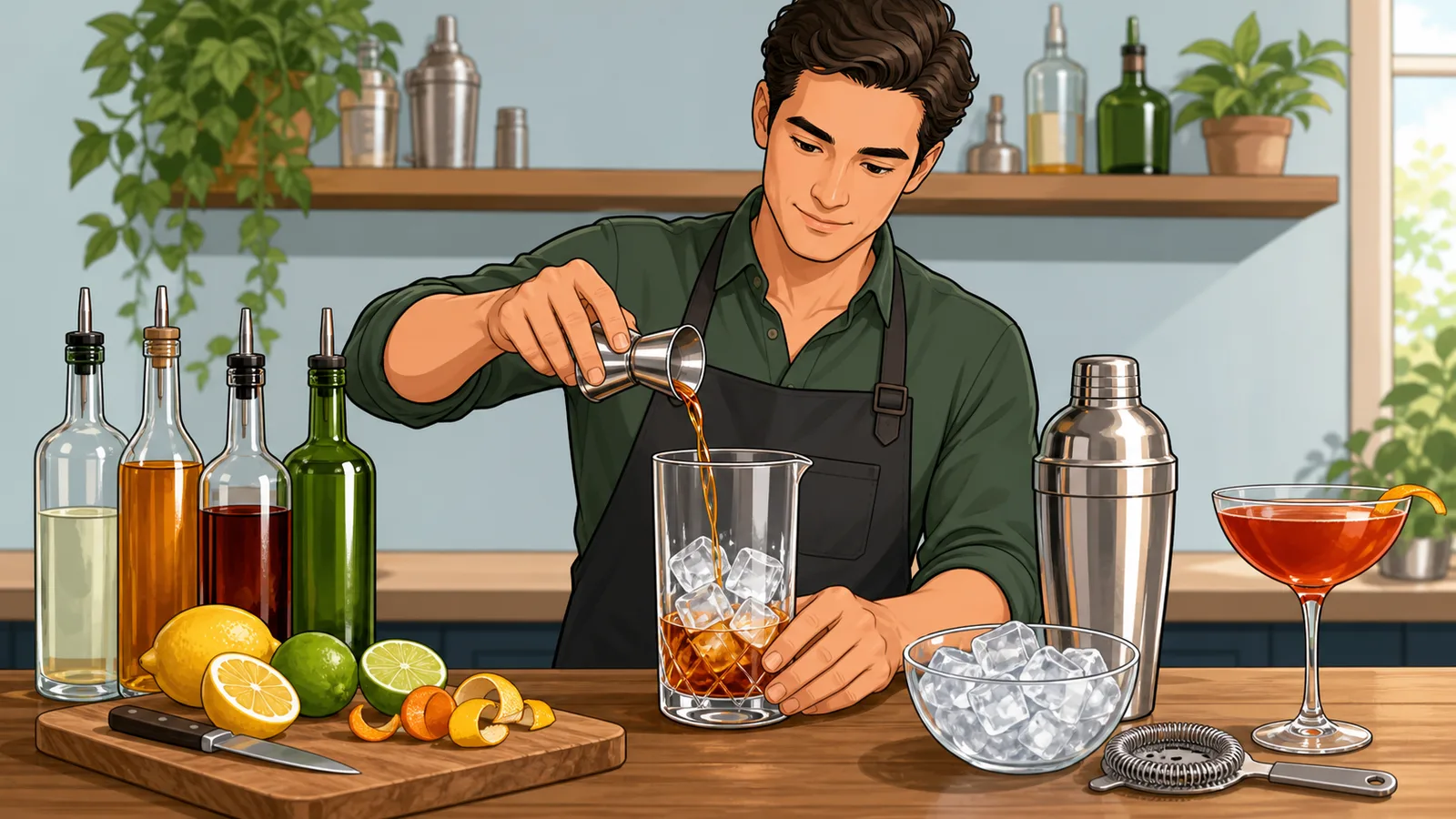
There is no single perfect value because ice size, shaking time, stirring time, temperature, and glassware all matter. As a practical starting point, a stirred drink might use around 15% dilution, a shaken sour around 25%, and a long drink or blended drink more. The dilution control is there so you can adjust the recipe rather than accept one hidden assumption.
Can I use this for mocktails and mixers without alcohol?
Yes. If all ingredients have 0% ABV, the final ABV and standard drink count will be zero while the calorie, carbohydrate, sugar, protein, and fat estimates still work. That makes the page useful for comparing a full-strength cocktail with a low-alcohol or alcohol-free version.
Why does a cocktail taste weaker than its ABV suggests?
Sugar, citrus, carbonation, bitterness, cream, salt, cold temperature, and dilution can all hide alcohol perception. Taste is not a reliable measure of pure alcohol. A sweet or refreshing drink can still contain more than one standard drink or several UK units.
Can this tell me my blood alcohol level?
No. Cocktail ABV and standard drink count describe the recipe, not your blood alcohol concentration. BAC depends on personal factors and timing, including body size, sex, food, metabolism, medications, and how quickly you drink. Use a BAC-specific educational calculator only for rough context, never for safety-critical decisions.